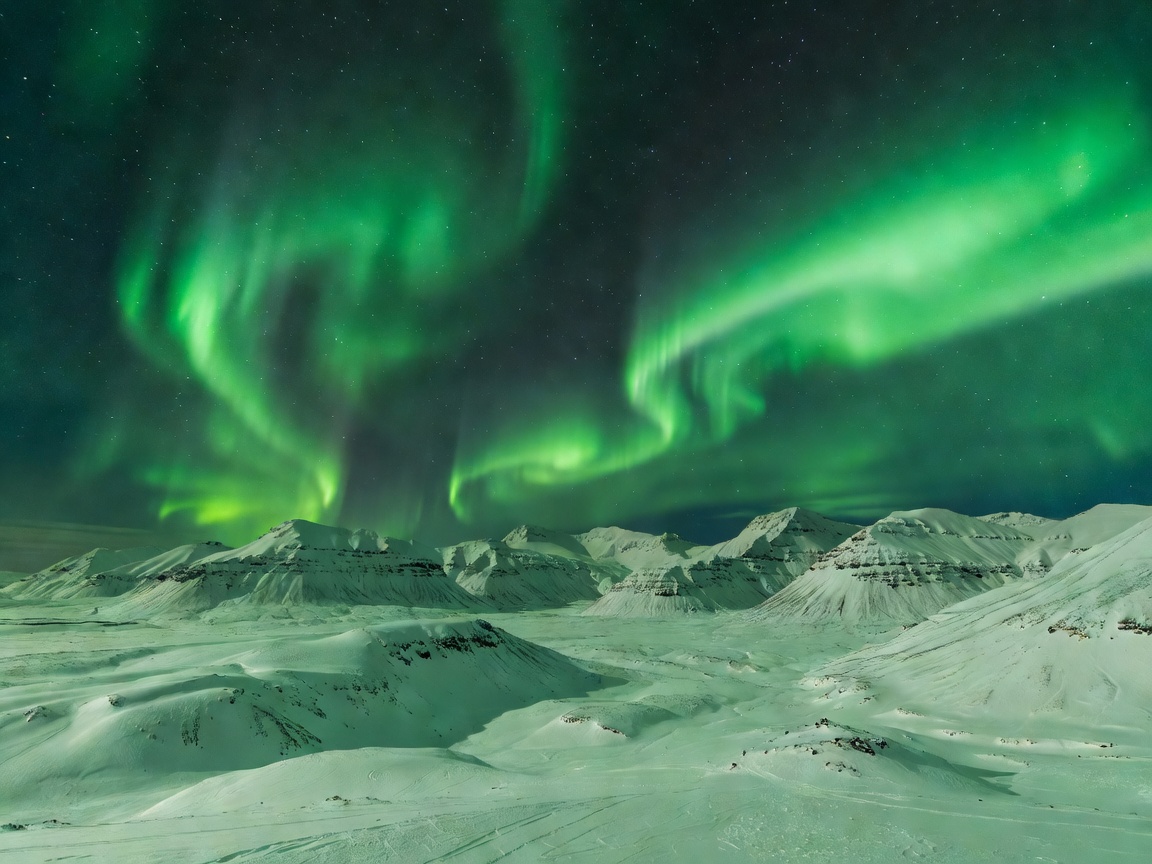
The Aurora Borealis is ignited when charged solar wind particles (electrons and protons) collide with atmospheric oxygen (yielding 557.7 nm green and 630.0 nm red) and nitrogen (producing 391.4 nm blue/violet) inside the ionosphere at altitudes between 80 km and 300 km.
Decoding Telemetry: The Kp Index & IMF Bz Vector
Many travelers rely solely on the Planetary K-index (0 to 9 scale). However, the critical trigger for intense auroral substorms is the Interplanetary Magnetic Field (IMF) Bz vector. When Bz shifts southward (negative value, e.g., -5 nT or lower), it cancels Earth's northward magnetic field, opening magnetic reconnection portals that channel solar plasma into the auroral oval.
Cloud Layer Analysis via Veðurstofa Íslands
Clear skies are as critical as geomagnetic activity. When reviewing meteorological models:
- Low-Level Clouds (0–2 km): The primary obstacle. Thick maritime stratocumulus blocks all optical views.
- Mid-Level Clouds (2–6 km): Altocumulus can occasionally allow partial visibility during high-intensity Kp 5+ displays.
- High-Level Clouds (6–12 km): Thin cirrus ice crystals often create dramatic light diffusion rather than complete obstruction.
Camera Sensor Calibration & Settings
To capture fast-moving coronal dancing curtains without motion blur:
- Lens: Ultra-wide (14mm to 24mm) with fast aperture (f/1.4 – f/2.8).
- Focus: Switch to manual focus; magnify a bright distant star or city light on live-view to lock true infinity.
- Exposure: 1.5 to 4.0 seconds for dynamic dancing aurora (higher ISO 3200–6400); 8 to 12 seconds for faint stationary arcs (ISO 1600).